

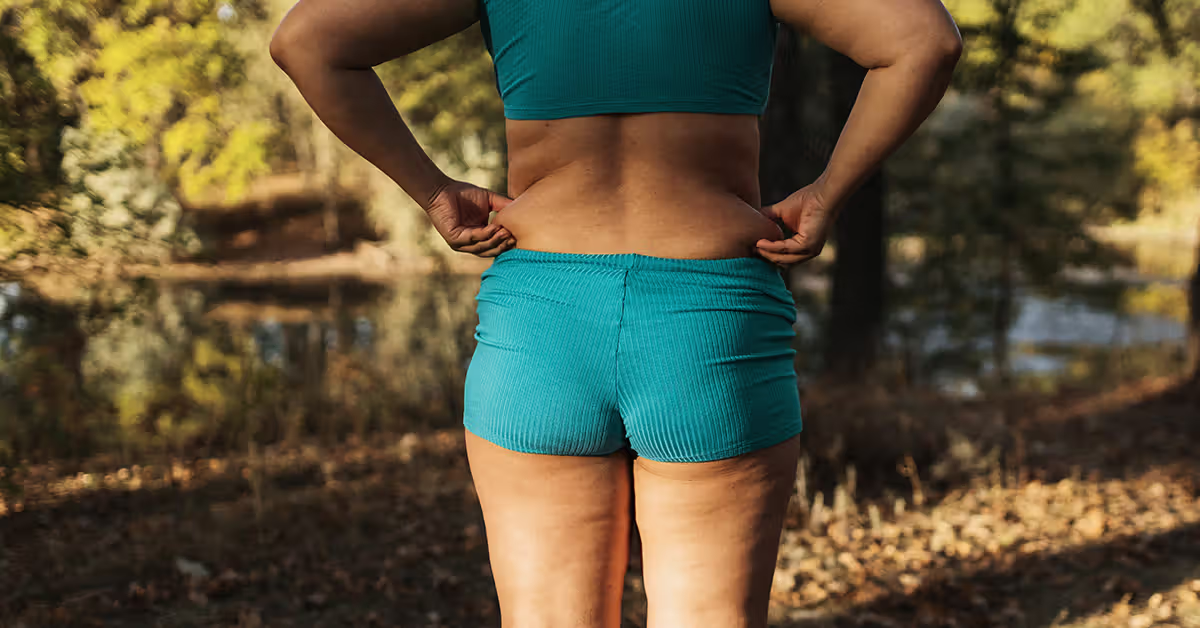
When it comes to losing love handles, exercise gets most of the attention. But ask anyone who’s successfully eliminated stubborn midsection fat, and they’ll tell you the same thing: diet was the primary driver. You cannot out-exercise a bad diet, and this is especially true for stubborn fat areas that require reaching relatively low body fat percentages to address.
Understanding the dietary approaches that work for eliminating love handles can save you months of frustration. Here’s what the research actually shows.
The Caloric Deficit: Non-Negotiable
No dietary strategy works without a caloric deficit. This is the foundational requirement for all fat loss. To lose love handles, you must consume fewer calories than you expend over a sustained period.
However, how you create that deficit matters significantly:
Moderate Deficits Beat Extreme Deficits
Research consistently shows that aggressive caloric restriction (deficits greater than 25-30% below maintenance) produces more muscle loss, greater metabolic adaptation, and worse long-term outcomes compared to moderate deficits (15-20% below maintenance).
For stubborn fat areas specifically, this matters even more. Extreme diets increase cortisol, which promotes abdominal fat storage. They also cause greater lean mass loss, meaning when you do finally reveal your midsection, there’s less muscle definition to show.
A deficit of 300-500 calories below maintenance (approximately 0.5-1 pound of fat loss per week) produces sustainable results without the negative adaptations that stall progress.
Protein: The Most Important Macronutrient
During a caloric deficit, protein becomes critically important for several reasons:
Muscle Preservation
Adequate protein intake (0.8-1 gram per pound of body weight) helps preserve muscle mass during fat loss. This is essential because you want to reveal developed musculature when body fat decreases-not just a smaller version of a soft physique.
Satiety
Protein is the most satiating macronutrient. High-protein meals keep you fuller longer, making caloric restriction more sustainable. Studies show that increasing protein from 15% to 30% of calories can reduce overall food intake by approximately 441 calories per day through increased satiety alone.
Thermic Effect
Protein has a higher thermic effect than carbohydrates or fat-meaning more calories are burned digesting and processing protein. While this effect is modest, it contributes to a slight metabolic advantage.
Carbohydrates: Context Matters
Carbohydrate intake is probably the most debated aspect of fat loss nutrition. Here’s what the evidence actually supports:
Total Calories Trump Carbohydrate Quantity
For overall fat loss, research shows that caloric deficit matters more than carbohydrate level. Low-carb and higher-carb diets produce similar fat loss when calories and protein are equated.
However, Carbohydrate Type and Timing May Matter for Stubborn Fat
While total fat loss is similar, some evidence suggests that lower insulin levels may improve access to stubborn fat stores. Strategies that keep insulin lower-such as reducing refined carbohydrates, focusing on fiber-rich carb sources, or timing carbohydrates around workouts-may offer modest advantages for love handle loss specifically.
This doesn’t mean you need to go ketogenic. Simply shifting carbohydrate intake toward:
- Vegetables, fruits, and legumes (high fiber, lower glycemic impact)
- Timing around training (when insulin sensitivity is highest)
- Reducing refined sugars and processed carbohydrates
…may help optimize conditions for stubborn fat mobilization.
Intermittent Fasting: Potential Benefits for Stubborn Fat
Intermittent fasting (IF) has gained popularity, and some evidence suggests it may have specific benefits for stubborn fat areas:
Extended Low-Insulin Periods
During fasting periods, insulin levels remain low for extended durations. This may improve catecholamine access to alpha-2 receptor dominant fat cells (like those in love handles), potentially enhancing mobilization from these stubborn areas.
Catecholamine Elevation
Fasting modestly elevates catecholamine levels, which drive fat mobilization. Combined with low insulin, this may create favorable conditions for stubborn fat release.
Practical Considerations
The 16:8 protocol (16-hour fast, 8-hour eating window) is the most common and sustainable approach. More extreme fasting protocols (24+ hours) offer diminishing returns and may increase muscle protein breakdown.
If you do well with IF-meaning you can maintain your caloric deficit, consume adequate protein, and support training performance-it may offer modest additional benefits for love handles. If IF makes adherence harder, skip it. Consistency trumps optimization.
Dietary Patterns That Support Love Handle Loss
Mediterranean Diet
High in vegetables, fruits, olive oil, fish, and legumes. Associated with better body composition outcomes, reduced inflammation, and improved metabolic health. The emphasis on whole foods naturally reduces refined carbohydrate intake.
Higher Protein, Moderate Carb
Protein at 30-35% of calories, carbohydrates at 35-40%, fats at 25-35%. This macronutrient distribution supports muscle preservation, satiety, and training performance while keeping insulin relatively moderate.
Flexible Dieting / IIFYM
If It Fits Your Macros allows dietary flexibility within calorie and macronutrient targets. This approach can be highly sustainable because it doesn’t eliminate any foods entirely. However, hitting protein targets while staying within calories naturally limits room for processed foods.
Foods to Emphasize
Lean proteins: Chicken, turkey, fish, lean beef, eggs, Greek yogurt, cottage cheese
Vegetables: Especially fibrous, low-calorie options like broccoli, spinach, cauliflower, peppers
Fruits: Berries are particularly good-high fiber, lower sugar, high nutrient density
Healthy fats: Olive oil, avocado, nuts, fatty fish-satiating and support hormone production
Whole grains and legumes: Oats, quinoa, beans, lentils-fiber-rich carbohydrate sources
Foods to Minimize
Refined sugars: Sodas, candy, baked goods-spike insulin, low satiety, easy to overeat
Refined grains: White bread, white pasta-lower fiber than whole grain alternatives
Ultra-processed foods: Chips, crackers, processed snacks-engineered to be hyperpalatable and overconsumable
Alcohol: Provides empty calories, impairs fat oxidation, and often leads to poor food choices
Common Dietary Mistakes
Undereating protein: Most people don’t consume enough protein, especially when dieting. Track intake and prioritize protein at every meal.
Relying on cardio to create deficit: Using exercise to “burn off” excess food intake is less effective than simply eating less. Diet creates the deficit; exercise supports it.
Weekend overeating: Five days of caloric deficit can be easily erased by two days of unrestricted eating. Consistency across all seven days is essential.
Expecting spot reduction: No food, supplement, or “fat-burning” food specifically targets love handles. Overall fat loss is the only path forward.
Conclusion
Diet is the primary lever for eliminating love handles. Exercise supports the process, but without appropriate nutrition, stubborn fat won’t budge regardless of your training program.
Focus on a moderate caloric deficit, prioritize protein, consider strategies that may help access stubborn fat (intermittent fasting, timing carbohydrates), and emphasize whole foods over processed options. Most importantly, choose an approach you can sustain for months-because that’s how long eliminating love handles typically takes.
There are no shortcuts. But with consistent application of these evidence-based dietary principles, love handle loss is absolutely achievable.
