

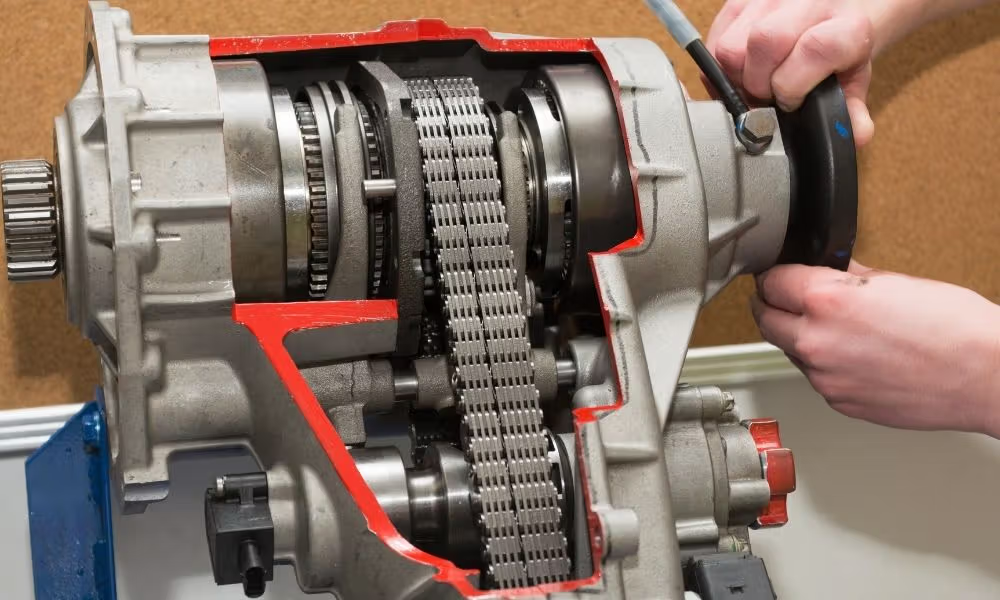
For off-road enthusiasts, the ability to tackle challenging terrains relies heavily on a vehicle’s drivetrain system. At the heart of this system in four-wheel-drive (4WD) and all-wheel-drive (AWD) vehicles is the transfer case. A properly functioning transfer case ensures that power is distributed effectively to all wheels, allowing for greater traction, stability, and control in off-road conditions. Understanding how this component works and maintaining it properly can dramatically enhance off-road adventures.
A transfer case is a mechanical device that splits engine power between the front and rear axles. It allows drivers to switch between 2WD and 4WD modes, enabling vehicles to adapt to various terrains and conditions. In some systems, the transfer case also provides low-range gearing for steep inclines, deep mud, sand, or rocky trails. By managing power distribution efficiently, the transfer case allows off-road vehicles to maintain momentum and prevent wheel slippage, which is critical when navigating unpredictable landscapes.
Proper function of the transfer case ensures that both axles receive appropriate torque, enhancing the vehicle’s ability to overcome obstacles. When a transfer case is damaged or poorly maintained, power delivery can become uneven, leading to reduced traction, mechanical stress, or even drivetrain failure. Regular maintenance and timely repairs are essential for off-road enthusiasts who rely on their vehicles for safe and reliable performance.
Understanding the Role of the Transfer Case in Off-Roading
In off-road adventures, terrain conditions can vary dramatically from loose sand and mud to rocks and steep hills. A transfer case is essential because it adapts the vehicle’s power output to meet these challenges. By transferring torque to both the front and rear axles, the transfer case allows vehicles to maintain grip on slippery or uneven surfaces. This capability is particularly important when only one or two wheels are in contact with stable ground.
Many modern transfer cases feature selectable modes, including high and low ranges. High-range mode is suitable for moderate off-road conditions or highway driving, while low-range mode multiplies torque for climbing steep inclines or maneuvering through deep mud or snow. Low-range gearing reduces the strain on the engine and drivetrain while improving precision control in difficult environments. A properly functioning transfer case ensures that switching between these modes is seamless and reliable.
In addition to torque distribution, the transfer case contributes to vehicle stability. By ensuring power is sent to both axles evenly, it prevents excessive wheel slip, reduces tire wear, and minimizes the risk of getting stuck. This stability allows off-road drivers to navigate obstacles with confidence and maintain momentum in challenging situations.
Signs of a Healthy Transfer Case for Off-Road Performance
A properly functioning transfer case operates smoothly without unusual noises, vibrations, or fluid leaks. When the transfer case is in good condition, engaging 4WD or low-range modes should be seamless and responsive. Drivers should notice consistent power delivery and improved traction when navigating off-road trails.
Regular inspection of transfer case fluid is a key aspect of maintaining performance. Fluid lubricates internal components and helps prevent overheating and excessive wear. Proper fluid levels and clean oil ensure smooth operation and extend the life of the transfer case. Off-road enthusiasts should follow manufacturer recommendations for fluid changes and use the appropriate type of lubricant for their specific vehicle model.
A healthy transfer case also shifts accurately and responds promptly to driver inputs. Hesitation, grinding, or difficulty engaging modes may indicate mechanical issues or worn components. Addressing these signs early can prevent more serious problems and protect other drivetrain parts, including the driveshafts and differentials.
Maintenance Practices to Ensure Optimal Transfer Case Performance
Maintaining a transfer case is critical for off-road adventures. Routine inspections, fluid changes, and timely repairs help ensure that power distribution remains consistent under demanding conditions. Checking for leaks, unusual noises, or vibration during operation can alert drivers to potential problems before they escalate.
Regular servicing includes monitoring fluid condition, replacing seals, and inspecting internal gears for wear. Off-road driving can place additional stress on the transfer case due to uneven terrain, sudden torque demands, and exposure to dirt and water. Ensuring the system is properly lubricated and free from contaminants is essential for maintaining reliability.
Preventive measures also include proper usage of 4WD and low-range settings. Engaging low-range mode only when necessary reduces strain on internal components, while avoiding sudden shifts between drive modes can prevent mechanical damage. Off-road drivers should also be mindful of terrain conditions and vehicle load, as excessive stress on the transfer case may accelerate wear.
In addition to mechanical maintenance, upgrading certain components can enhance off-road performance. Heavy-duty gears, reinforced housings, and aftermarket lubrication solutions are options for enthusiasts who frequently tackle extreme trails. These enhancements help the transfer case withstand higher torque and provide consistent power delivery in demanding environments.
Enhancing Off-Road Adventures with a Reliable Transfer Case
A properly functioning transfer case transforms off-road driving by improving traction, stability, and control. Drivers can confidently navigate mud, sand, rocks, and steep inclines without worrying about power loss or drivetrain failure. The ability to shift between 2WD and 4WD, as well as access low-range gearing, allows vehicles to adapt to varying terrains, maximizing performance and safety.
With a well-maintained transfer case, off-road adventures become more enjoyable and less stressful. Reduced mechanical issues, better traction, and consistent power delivery allow drivers to focus on exploration and experience rather than vehicle limitations. Reliability in this key component also minimizes downtime caused by repairs, keeping adventures on track.
Beyond performance, a functional transfer case helps protect other drivetrain components. Even power distribution reduces wear on differentials, driveshafts, and axles, contributing to the long-term durability of the vehicle. For enthusiasts who invest in off-road excursions, this translates into fewer maintenance costs and extended vehicle life.
Ultimately, the transfer case is a cornerstone of off-road capability. Understanding its function, recognizing signs of potential issues, and performing regular maintenance ensures that vehicles remain ready for any adventure. With a reliable transfer case, off-road drivers can tackle challenging trails with confidence, making every trip a safe and exciting experience.
